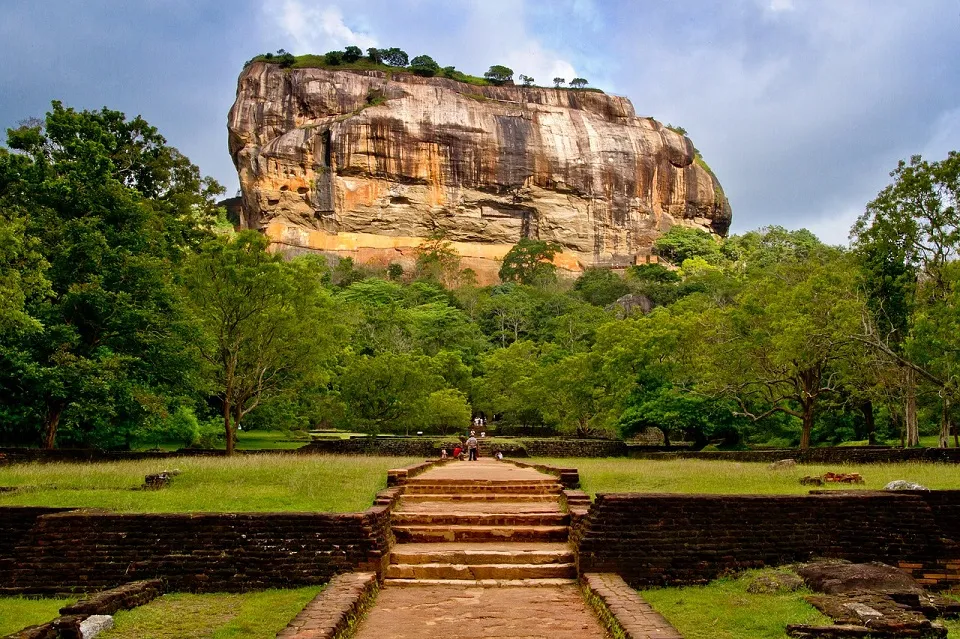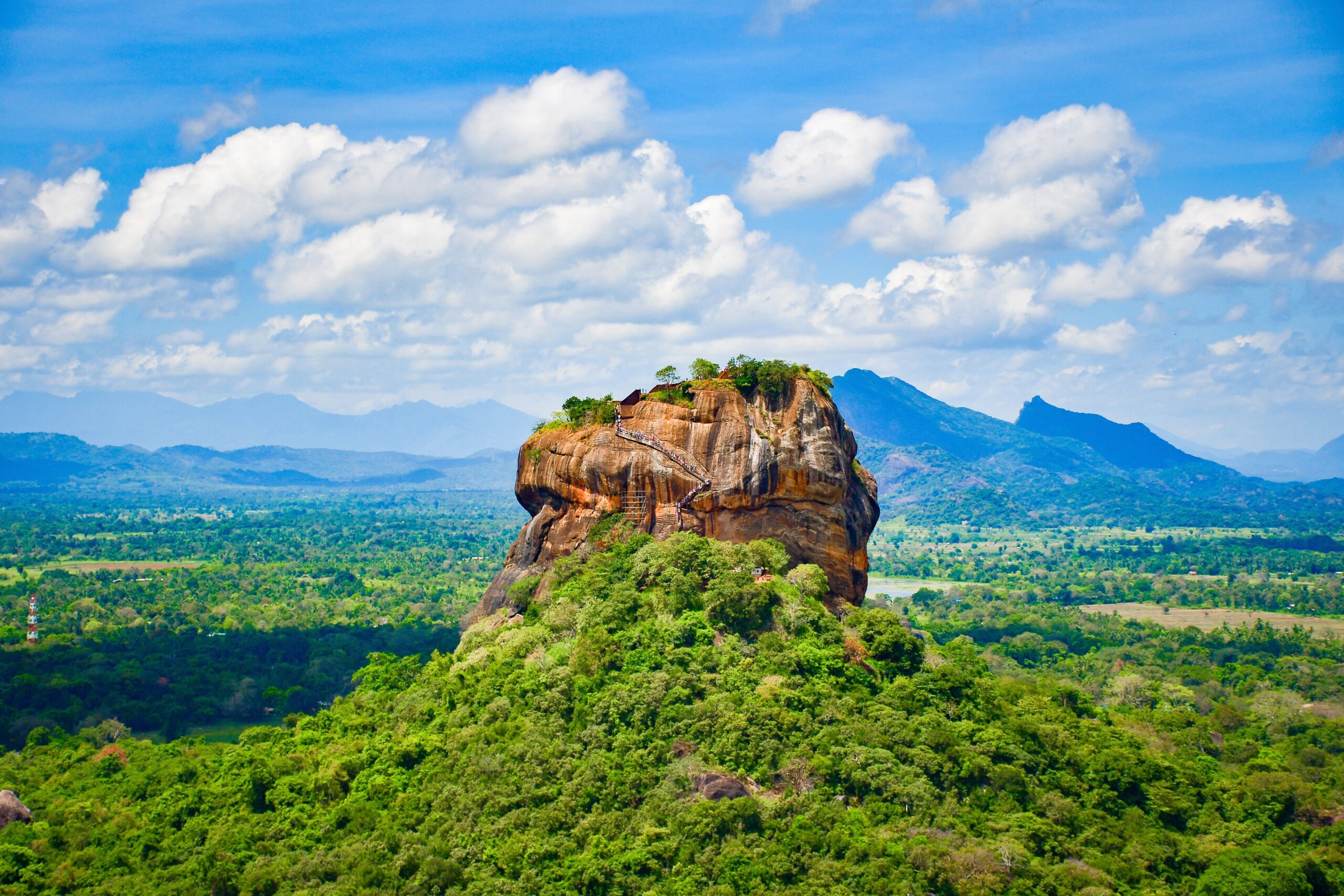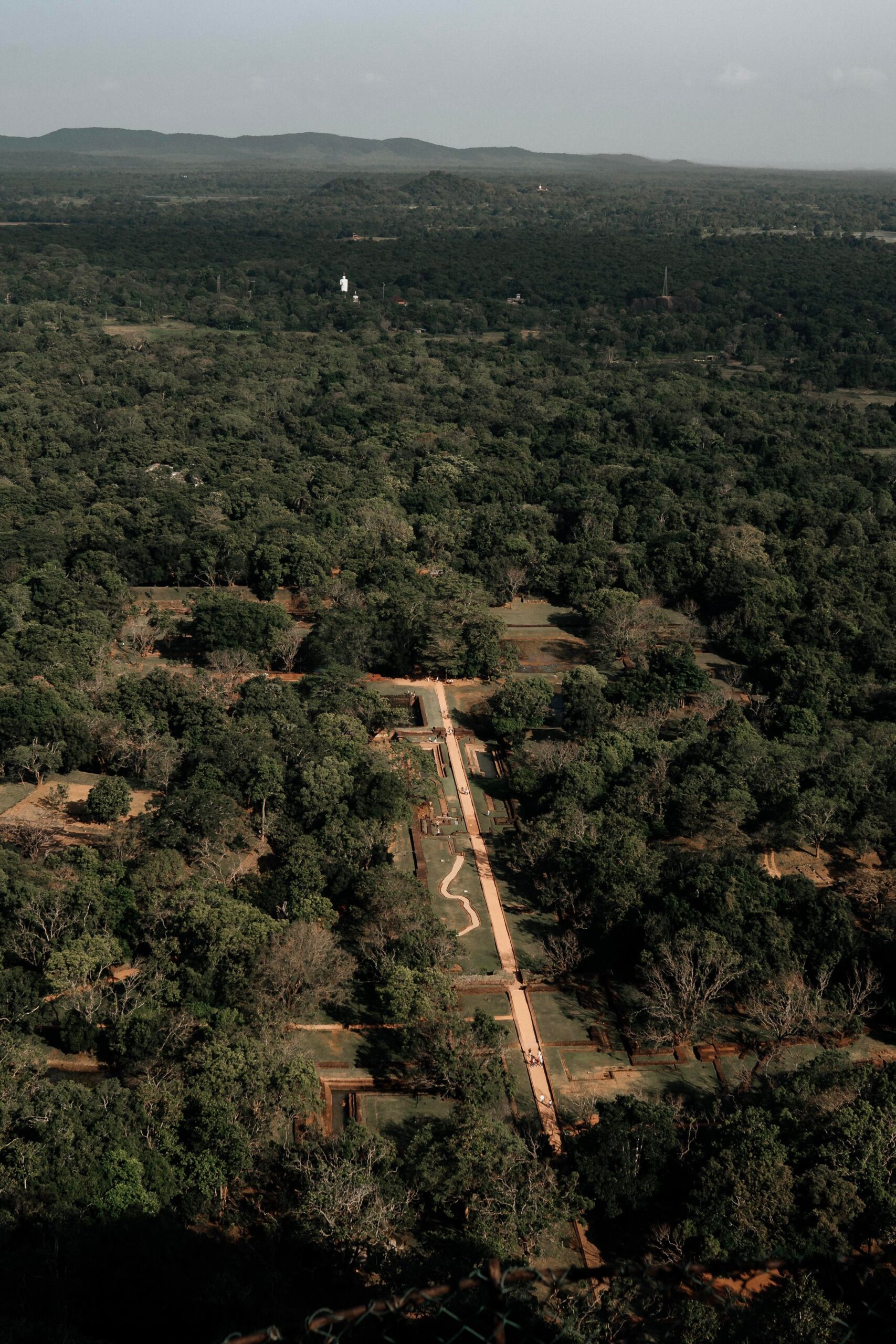
Sigiriya (සීගිරිය), also known as Lion Rock, is one of the most important historical and archaeological sites in Sri Lanka. It is a massive rock formation rising about 200 metres above the surrounding landscape and is located in Sri Lanka’s Central Province. Sigiriya is closely associated with King Kashyapa I, who ruled Sri Lanka from 477 to 495 AD. During his reign, the rock and its surrounding area were developed into an impressive royal complex. The site included a palace, gardens, ponds, defensive structures, pathways, and other buildings. One of the most remarkable features of Sigiriya is its ancient water gardens. The gardens contain ponds, fountains, waterways, and landscaped areas. Their sophisticated design demonstrates the advanced knowledge of hydraulic engineering and landscape architecture in ancient Sri Lanka.
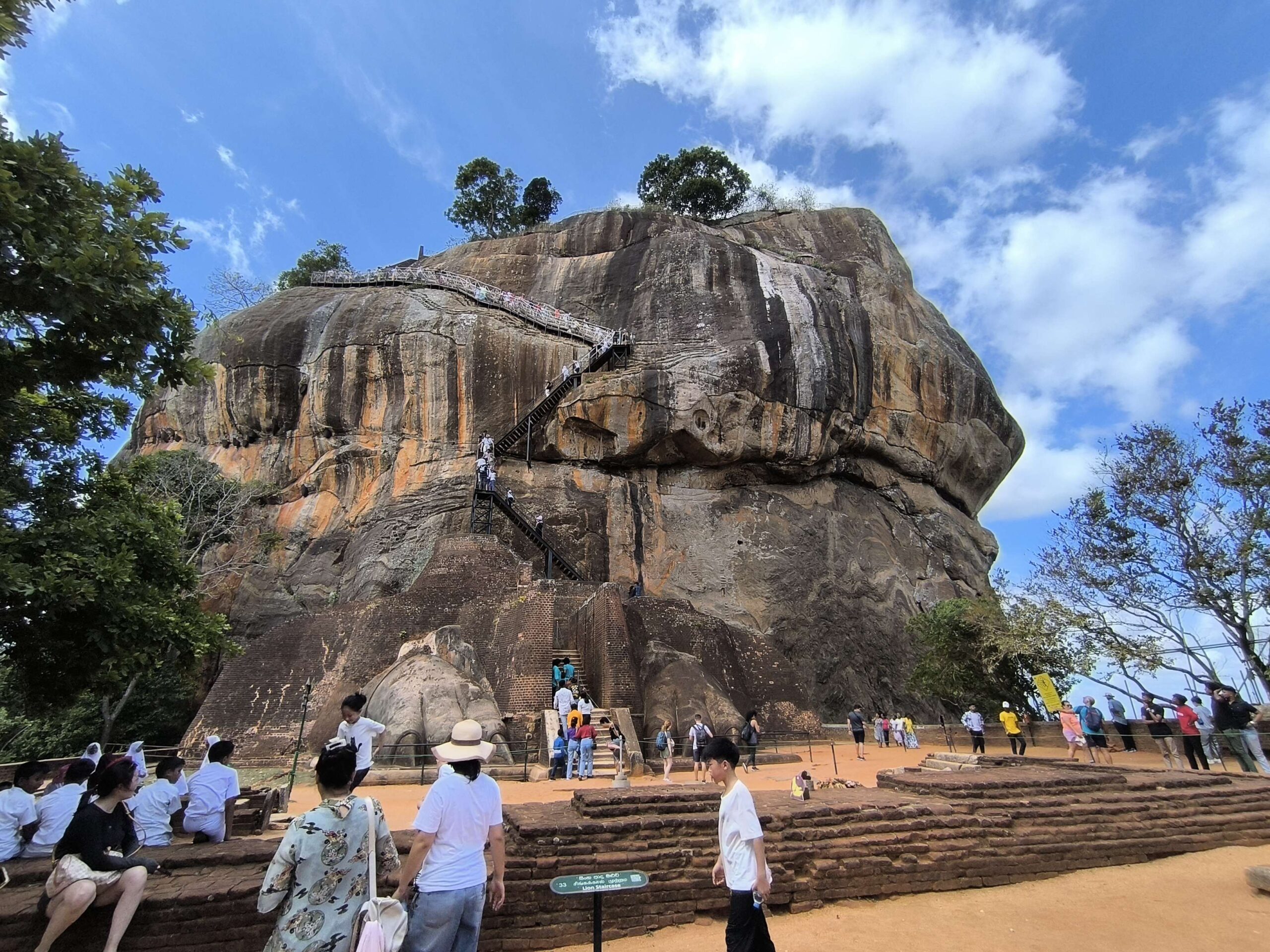
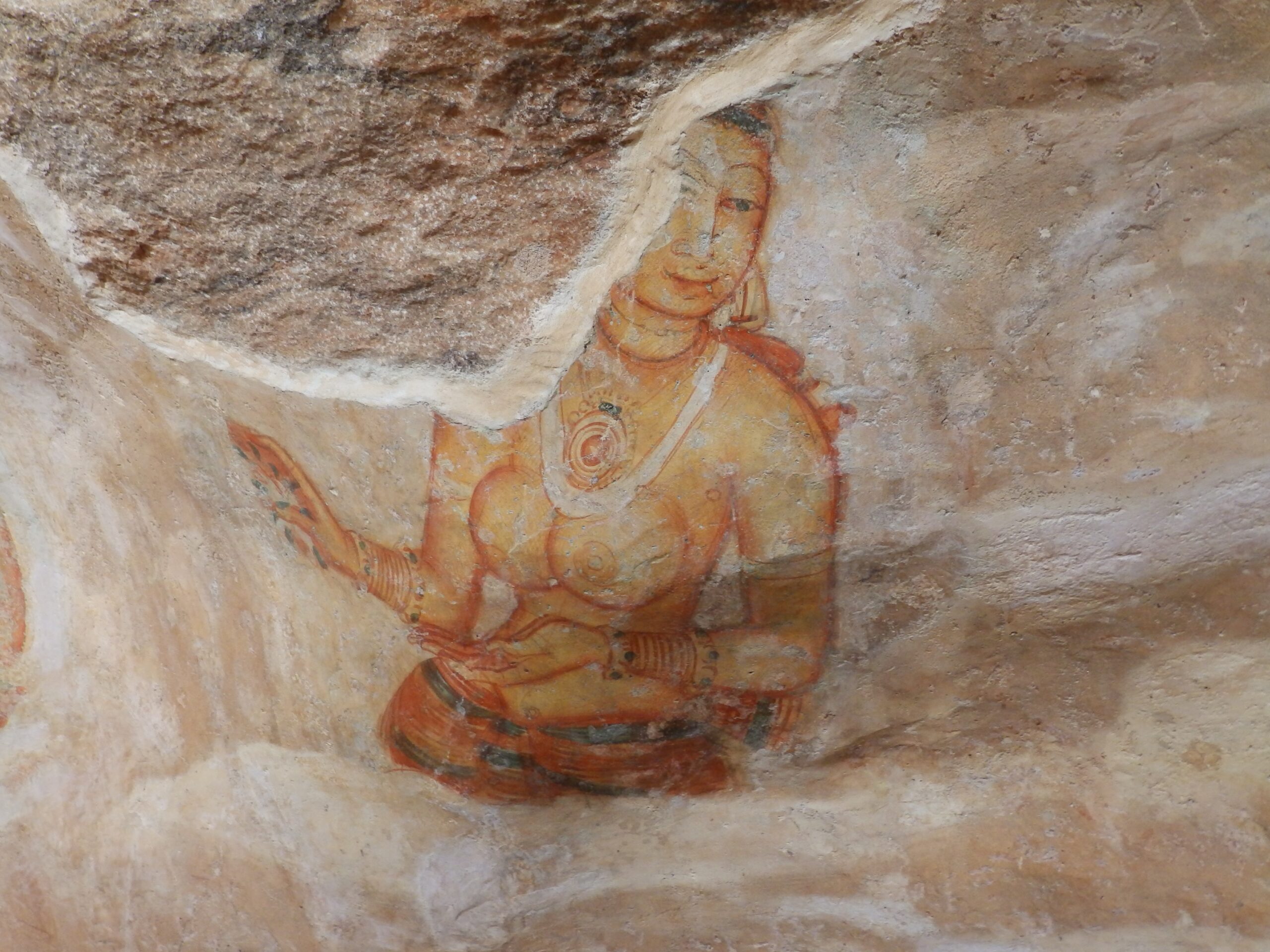
The Sigiriya frescoes are another famous feature. These colourful paintings of female figures can still be seen on the rock face and are important examples of ancient Sri Lankan art. Visitors climbing Sigiriya also encounter the Mirror Wall, which was originally highly polished. Over the centuries, visitors wrote poems and comments on the wall, and some of these ancient inscriptions remain valuable sources for understanding Sri Lankan language, literature, and culture. The entrance to the upper part of the rock was designed in the form of a large lion. Today, the enormous lion paws remain on either side of the staircase. This lion-shaped entrance is connected to the name Sigiriya, meaning Lion Rock.
At the summit are the remains of structures associated with the royal palace complex, including foundations, terraces, and a large rock-cut pool. From the top, visitors can see the surrounding forests, gardens, reservoirs, and countryside. After King Kashyapa’s reign, Sigiriya was used as a Buddhist monastery for centuries. Because of its exceptional archaeological, artistic, architectural, and historical importance, UNESCO designated the Ancient City of Sigiriya a World Heritage Site in 1982.